TeraBox CustPro - Intelligent Customs Declaration System
Project Overview
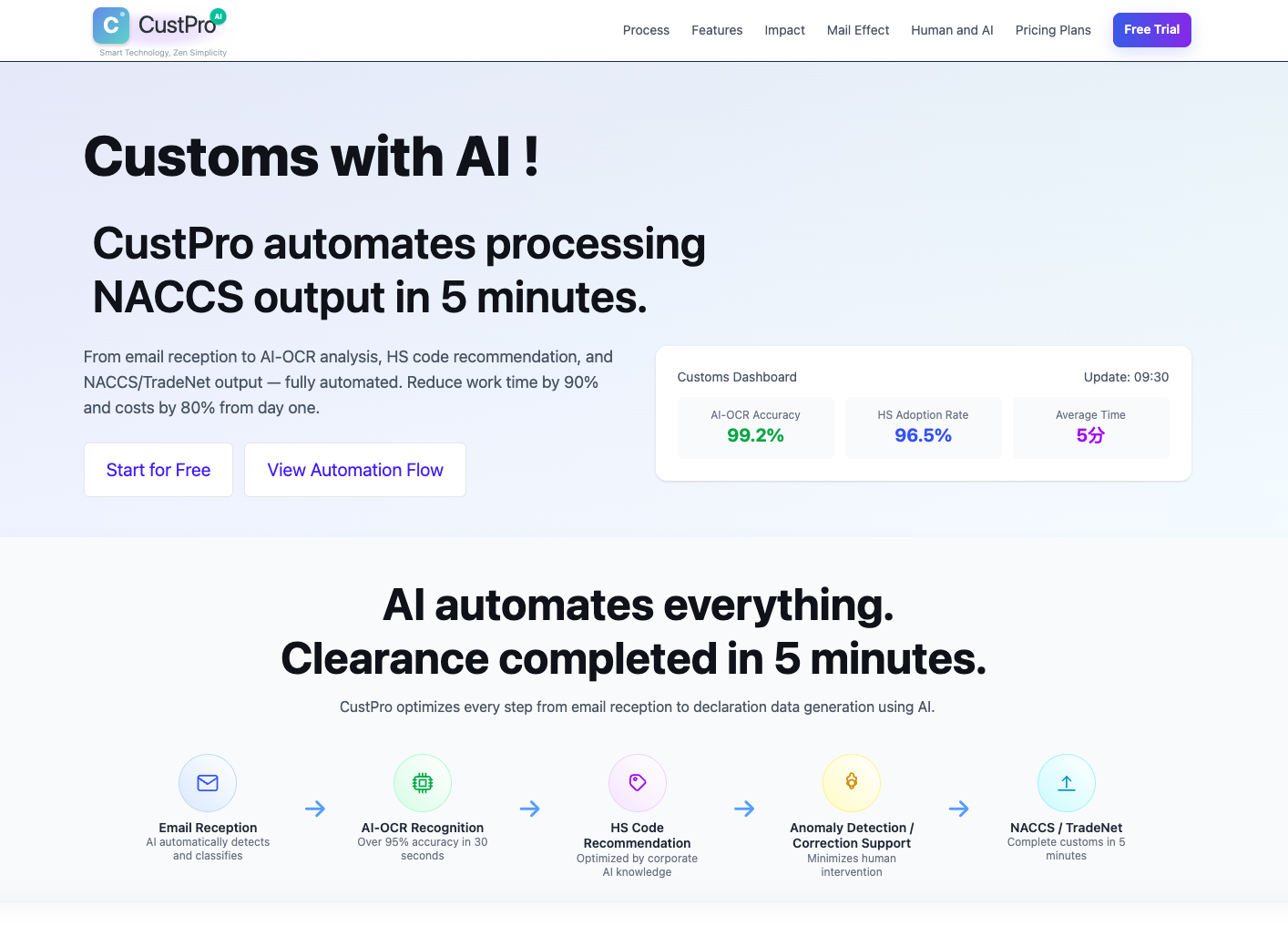
An AI-powered customs declaration system that supports end-to-end processing from trade documents to declaration preparation, turning manual workflows into efficient, data-driven operations.
Industry Pain Points
Low Efficiency & High Error Rate
Customs declaration involves processing large volumes of ocean freight and trade documents. Manual data entry is slow and error-prone, creating potential delays and compliance risks.
Complex Decision Making
Accurately identifying HS codes and calculating taxes requires significant expertise. Manual lookups are inefficient, and calculation errors are common in complex scenarios.
Knowledge Retention Challenges
Customs clearance expertise is often tacit knowledge held by individual specialists. It is difficult for enterprises to capture, digitize, and reuse this knowledge effectively.
Innovative Solution
Core Methodology
The system leverages AI to automate the entire workflow:
- Intelligent Document Processing: Using AI OCR to recognize multiple document types (Invoices, Packing Lists, Bills of Lading, Arrival Notices) and automatically cross-checking consistency across different files.
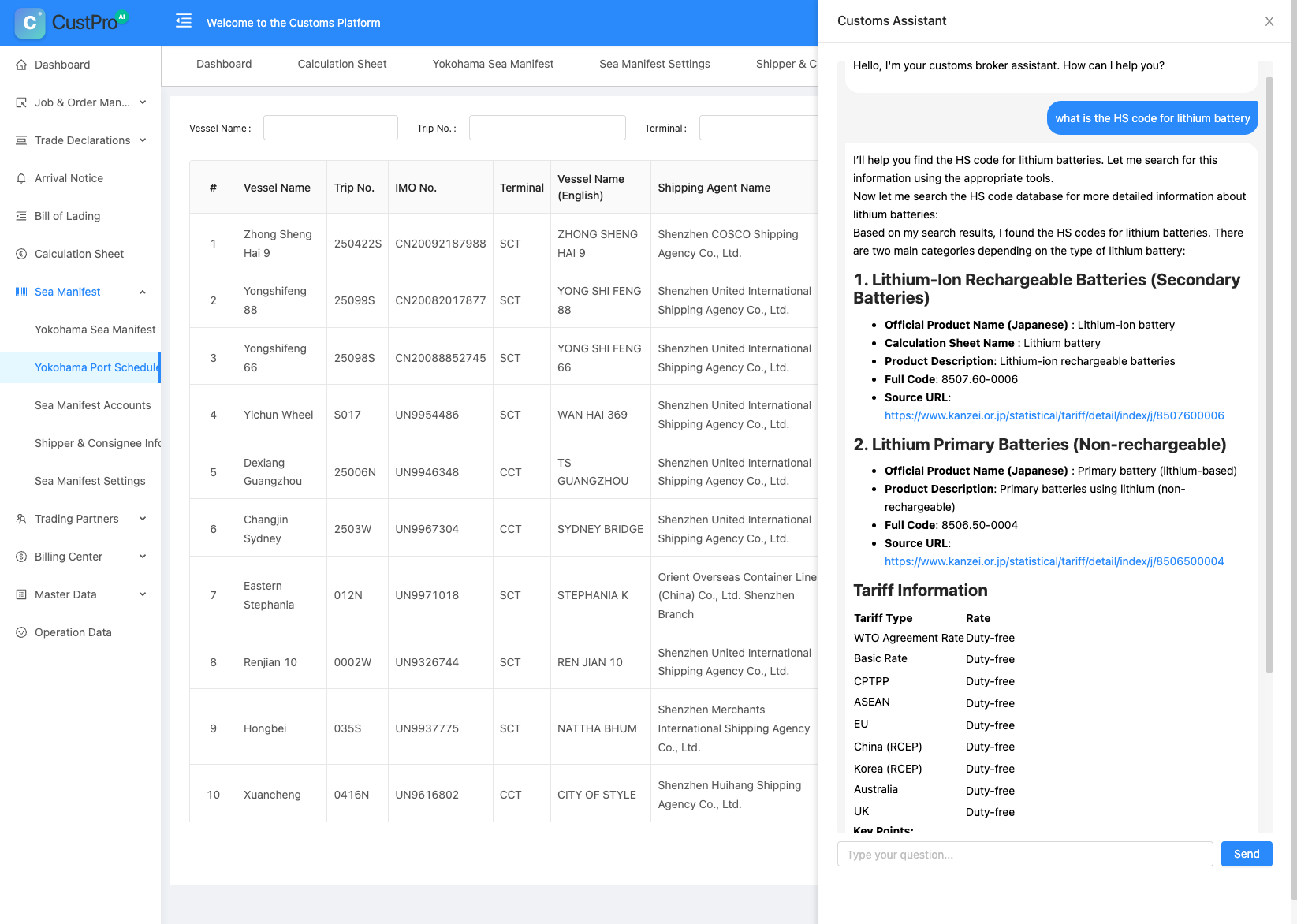
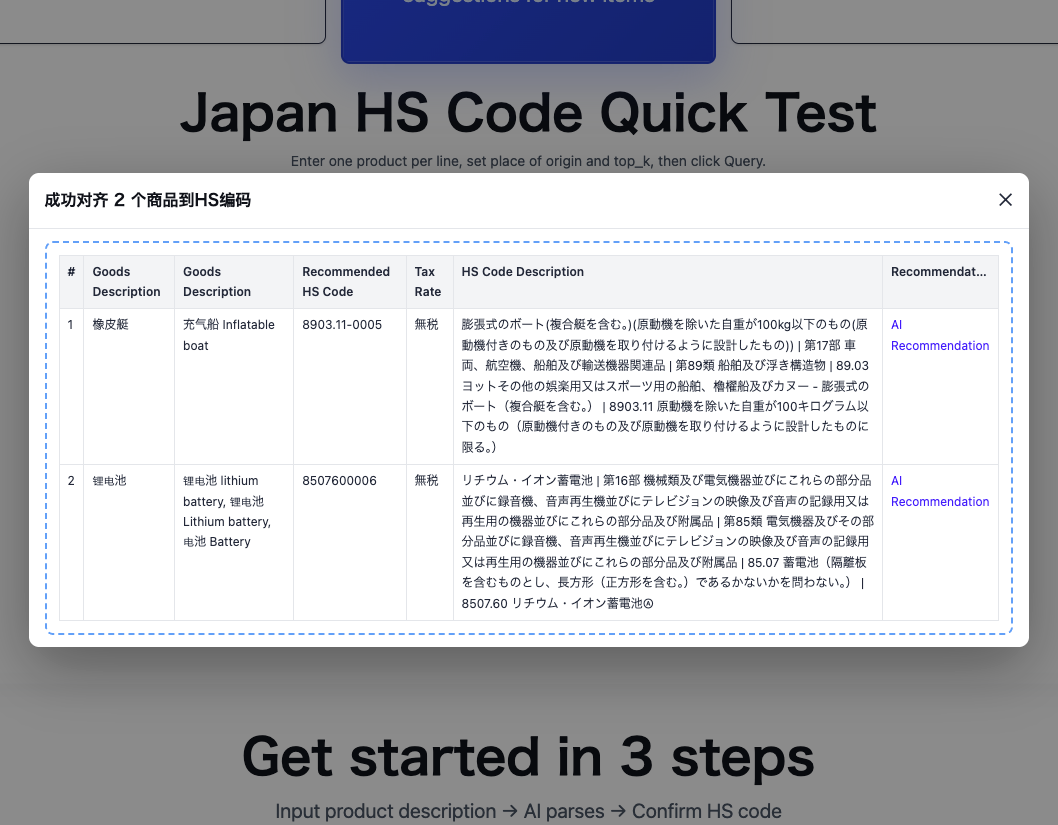
- Smart Decision Support: Implementing intelligent HS code matching and tax rate judgment. The system automatically calculates critical metrics like duties and volume, while accumulating historical declaration data by client to refine future predictions.
- Human-AI Collaboration: An "AI preparation + human review" model improves accuracy while integrating with customs declaration systems in China, Singapore, and Japan.
Technical Implementation
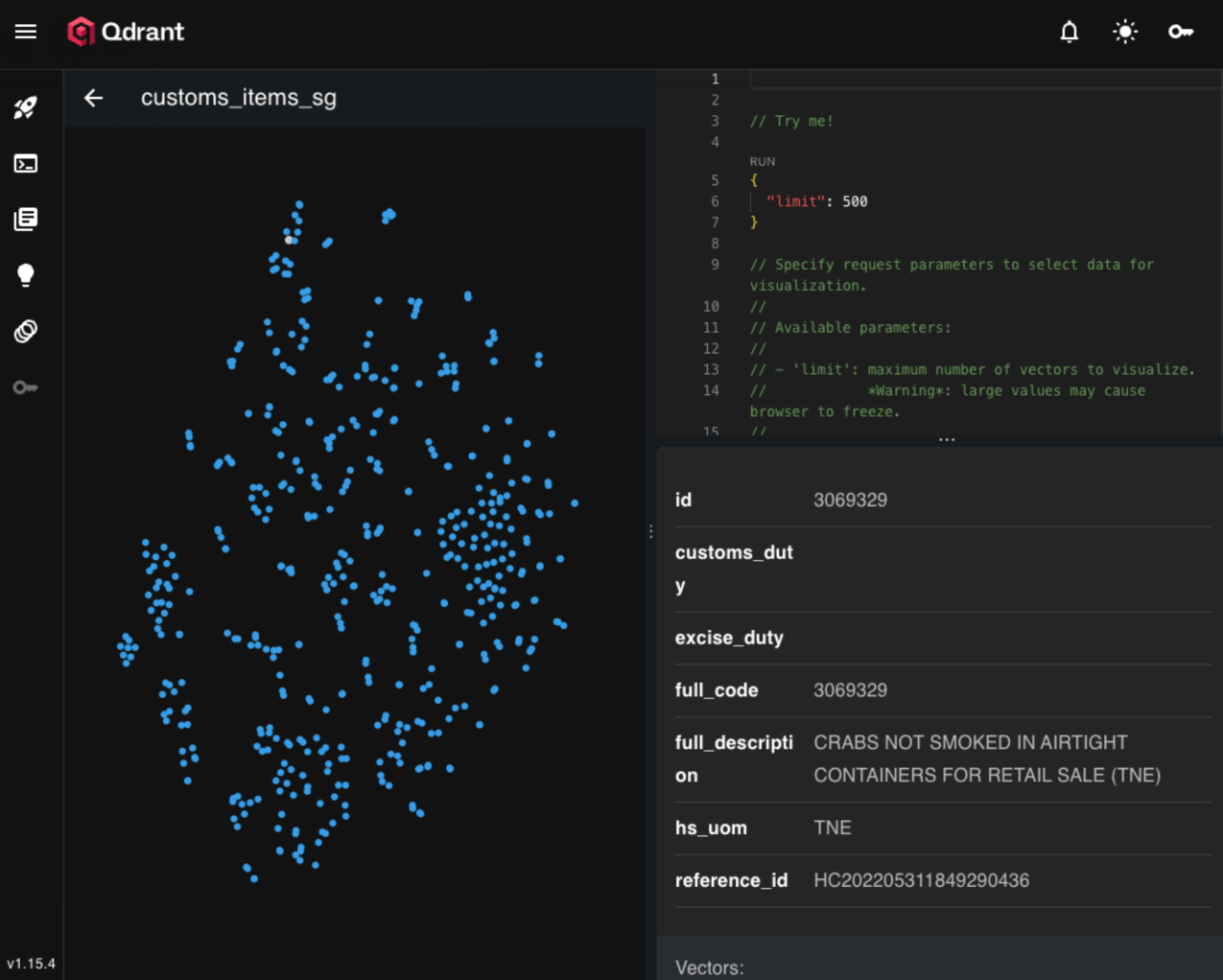
- Hybrid Retrieval Engine: Uses Qdrant vector search combined with keyword search to retrieve HS codes and regulatory information accurately.
- Multimodal Data Processing: Extracts and structures data from unstructured trade documents.
- Knowledge Graph: Builds a domain-specific knowledge base for customs regulations and historical cases.
Value Delivered
- Processing Efficiency: Reduced manual processing time from 1-2 hours to minutes.
- Error Reduction: Significantly lowered the error rate in data entry and calculations through automated cross-validation.
- Knowledge Reuse: Captured and reused customs clearance expertise, reducing dependency on individual specialists.